Photo above: Chad Nuttall
At first, there is only blue.
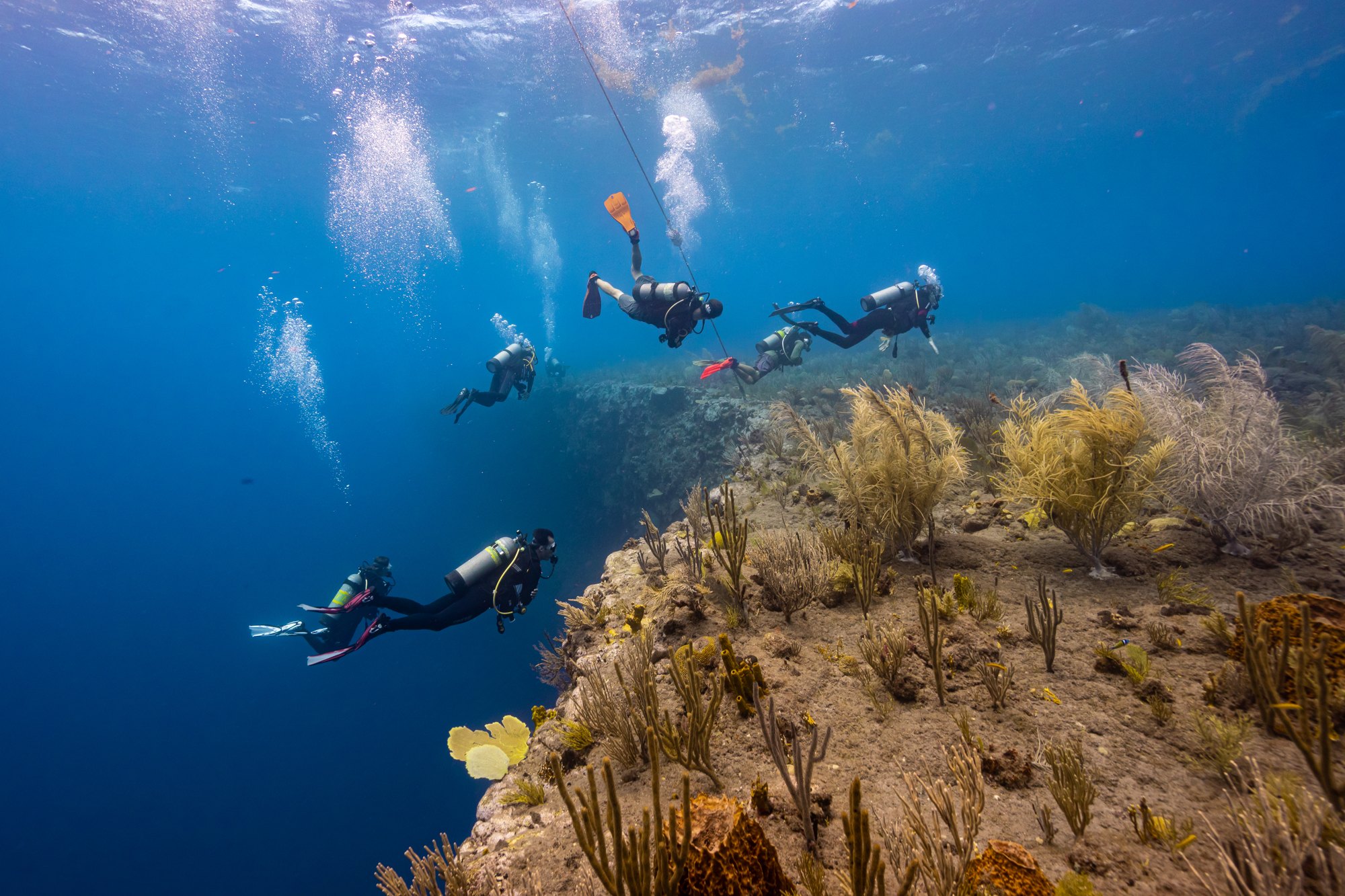
You let the air out of your BCD and sink slowly down the mooring line, past the layer where sunlight still flickers across the swell. For a few seconds the water feels bottomless. Then, nearly thirty metres down, the shadow of a submerged mountain takes shape: a spire of volcanic rock covered in sponges and sea fans, with schooling jacks circling its edge. Beyond it, the seabed falls away into the deep Caribbean.
This is diving in Saba.
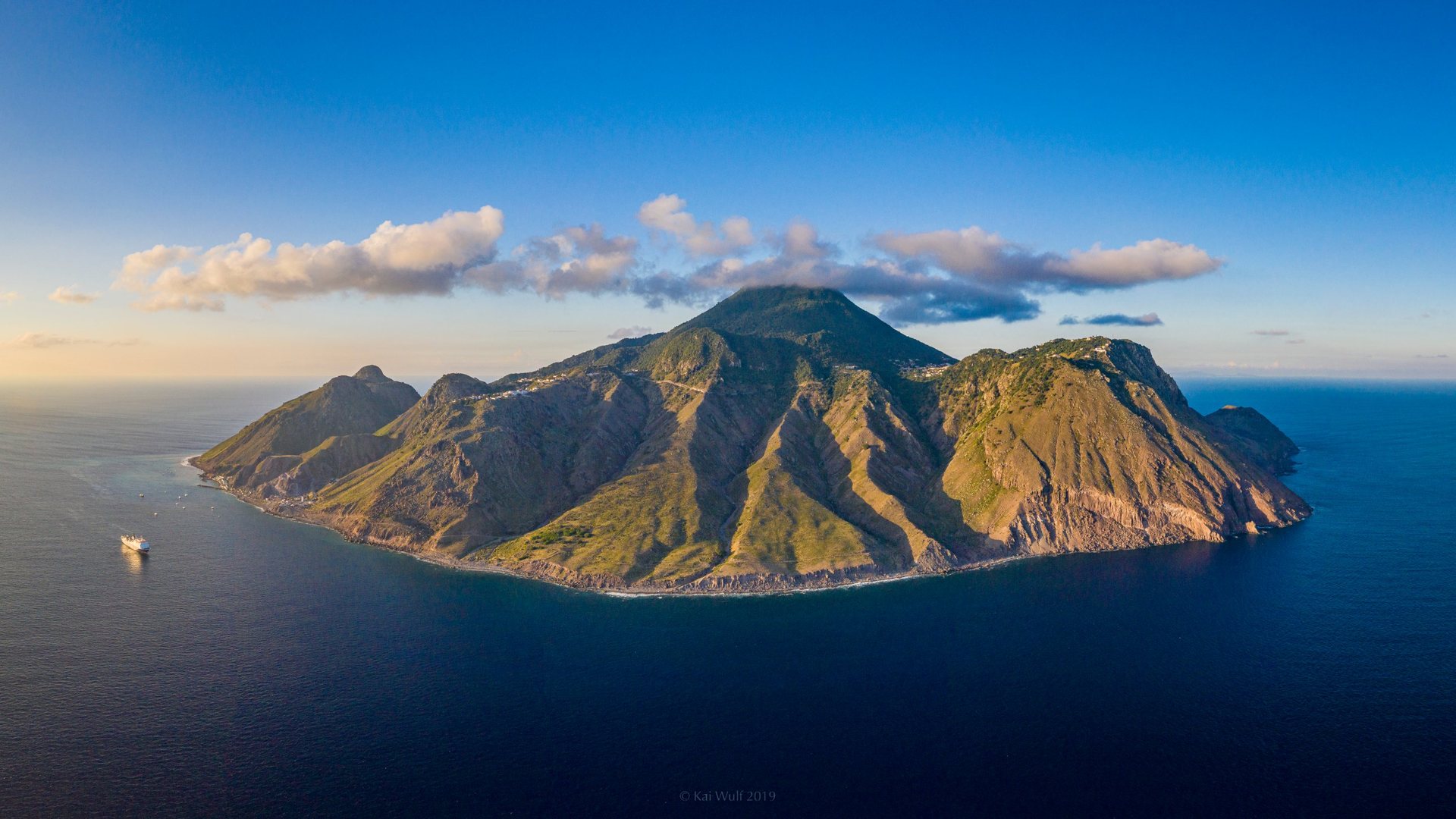
Saba’s volcano rises 887 metres into the clouds, but that is only the upper half of the mountain. Below the waterline, its slopes fall away just as steeply, creating one of the most varied underwater landscapes in the Caribbean.
A protected underwater mountain range
Saba is an isolated volcanic peak surrounded by open ocean. Eruptions, lava flows and rockfalls have left behind an underwater landscape of seamounts, overhangs, ledges and boulder reefs.
Since 1987, the whole coastline has been protected within the Saba National Marine Park, which circles the island from the high-water mark to a depth of 60 metres (200 feet). The park is managed by the Saba Conservation Foundation, and permanent mooring buoys mean boats never need to drop anchor on the coral.
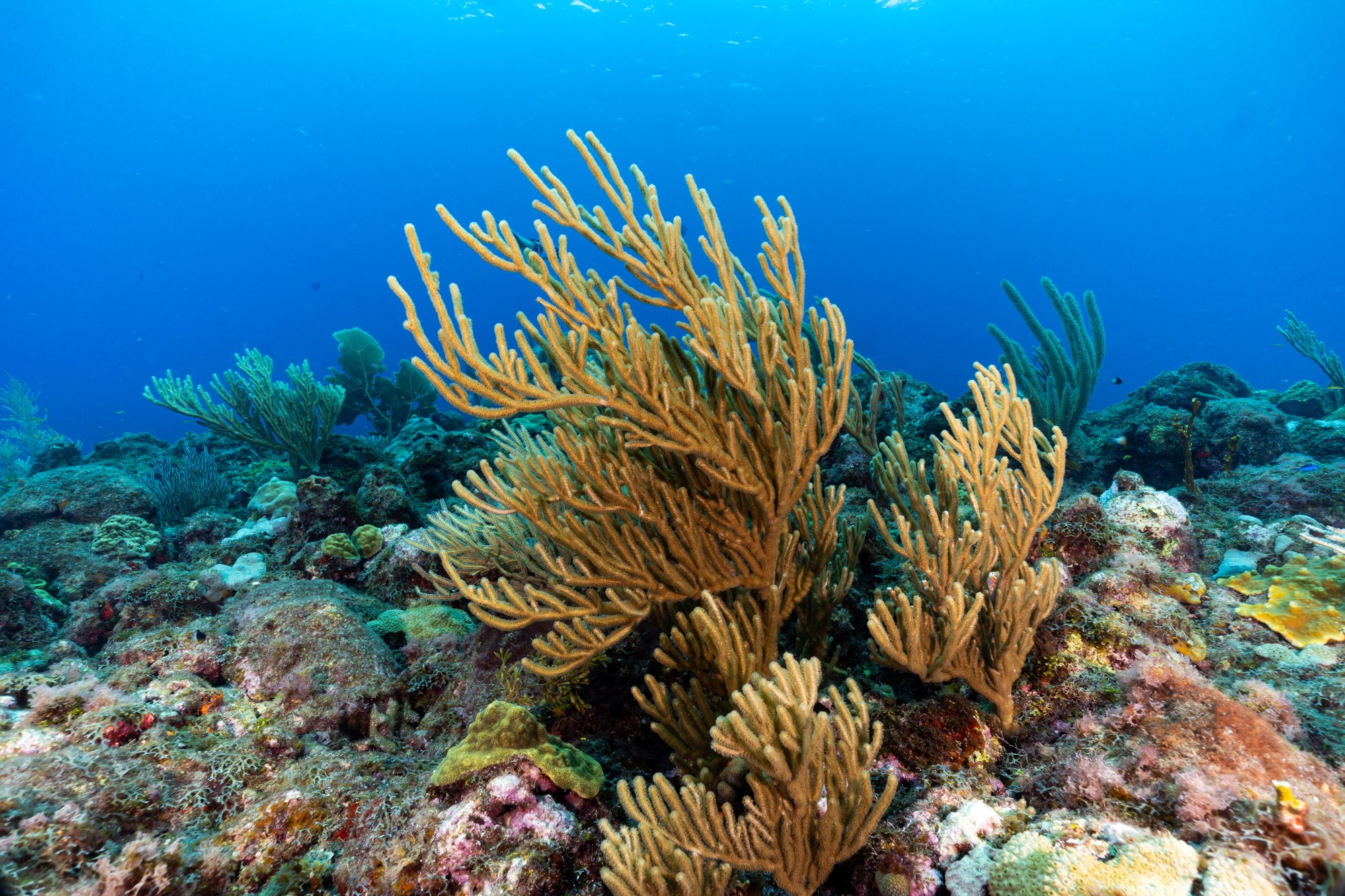
Nearly four decades of protection show. Reef sharks and nurse sharks patrol the deeper slopes, turtles graze among the sponges, and stingrays and barracuda cruise through the blue. Closer to the rock, crevices shelter lobster, octopus and the smaller life that rewards a patient eye.
Around thirty dive sites, three distinct worlds
Around an island of just five square miles lie some thirty dive sites. Because the underwater terrain changes so quickly from one side of the island to the other, no two dives feel alike.
1. The deep Pinnacles
Off Saba’s coast, volcanic seamounts rise from deep water without ever quite reaching the surface. Known together as the Pinnacles, sites such as Third Encounter and Twilight Zone are Saba’s signature advanced dives.
From Third Encounter, divers can reach Eye of the Needle, a slender rock spire whose tip sits around 27 metres (90 feet) below the surface. Reef sharks, jacks, turtles and large groupers gather around these peaks. Because of the depth and the open-water descent, the Pinnacles are for experienced divers, and this is where Sea Saba’s free Nitrox really pays off.
2. Volcanic landmarks closer to shore
Off the northwest coast, Diamond Rock rises straight out of the waves. Below the surface it stays within about 25 metres (80 feet), which means more time at depth. Currents can be strong, drawing black durgon, barracuda, stingrays and sharks around the rock.
In Ladder Bay, Saba’s volcanic heart is still close: at Hot Springs, the sand is warm to the touch from the heat beneath the seabed.
3. Shallow ledges and easy reefs
Saba’s fame for deep pinnacles can hide how rewarding its shallower reefs are. Just west of Fort Bay harbour, Tent Reef begins on a rocky ledge only 4 metres (13 feet) deep before stepping down into a wall, coral boulders and sandy channels. It is also a favourite at night, when octopus hunt and turtles sleep.
In Wells Bay, sites such as Man O’ War Shoals and Torrens Point offer shallower dives for every level, with green turtles, stingrays and lobster. And at Ladder Labyrinth, look out for nudibranchs and flying gurnards.
Is Saba suitable for less experienced divers?
Yes, as long as your dives match your certification and comfort level.
The Pinnacles call for experience, but many of Saba’s reef and wall dives stay well above those depths. Sea Saba’s afternoon dives, for example, go to around 21 metres (70 feet).
If you are not yet certified, Sea Saba offers Try Scuba and full certification courses. Non-divers can join the afternoon snorkel trip, or snorkel at Wells Bay when the sea is calm.
Diving with Sea Saba: how a dive day works
On an open-ocean island, local seamanship shapes the whole experience. Scenery Hotel Saba works with Sea Saba, a dive operator that has guided divers through these waters since 1985.
- Pick-up at the door: a free taxi collects you at Scenery in Windwardside and takes you down the mountain road to the boat in Fort Bay.
- Small groups: at most eight divers per guide on recreational dives, so descents and reef time stay calm and personal.
- Free 32% Nitrox: for all certified Nitrox divers. Bring your certification card.
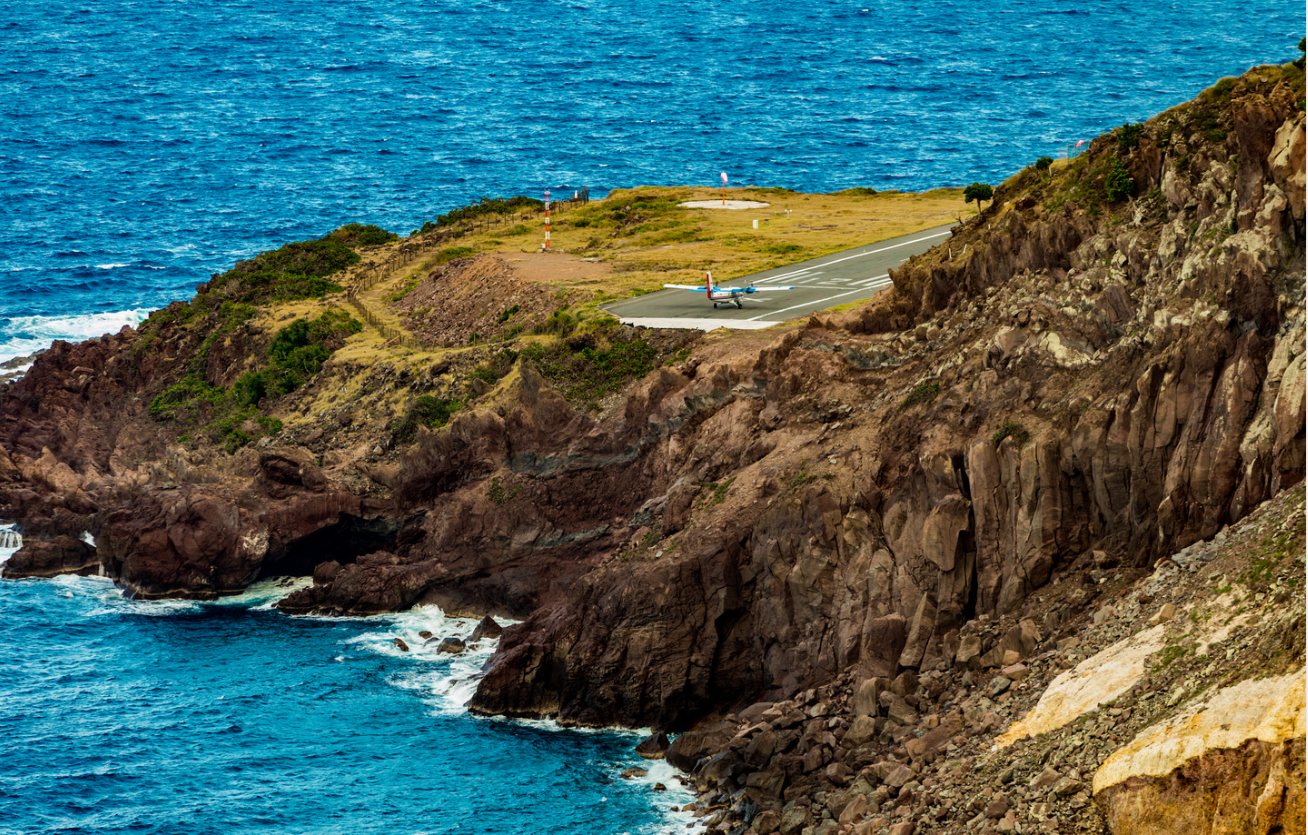
- Travel light, if you want to: if you would rather not haul a heavy gear bag through St. Maarten onto the 15-minute Winair hop, Sea Saba rents full, well-maintained equipment. Divers who bring their own kit are well looked after too.
The classic two-tank trip leaves Fort Bay around 10:30 and is back by mid-afternoon. Advanced trips to the Pinnacles leave earlier, around 9:00, and return around 1:00. Either way, there is time left to enjoy the island above the water.
When to come, and why to give yourself time
Saba is a year-round dive destination. The water is typically around 26 to 28°C (79 to 82°F), varying with the season, and visibility is often 20 metres (60 feet) or more.
Because the island stands in open sea, wind, swell and current decide which side of the island, and which moorings, are best on any given morning. So rather than arriving with a list of one or two sites, plan a stay of four to seven nights. That gives the crew the freedom to choose the best conditions each day, and leaves you a day without diving for Saba’s other great adventure: the cloud forest.
A note on safety: Sea Saba advises against hiking Mount Scenery after diving, because strenuous exercise while climbing to altitude can increase the risk of decompression sickness. The summit lies at 887 metres, so save the more than one thousand stone steps of the trail for a day without diving.
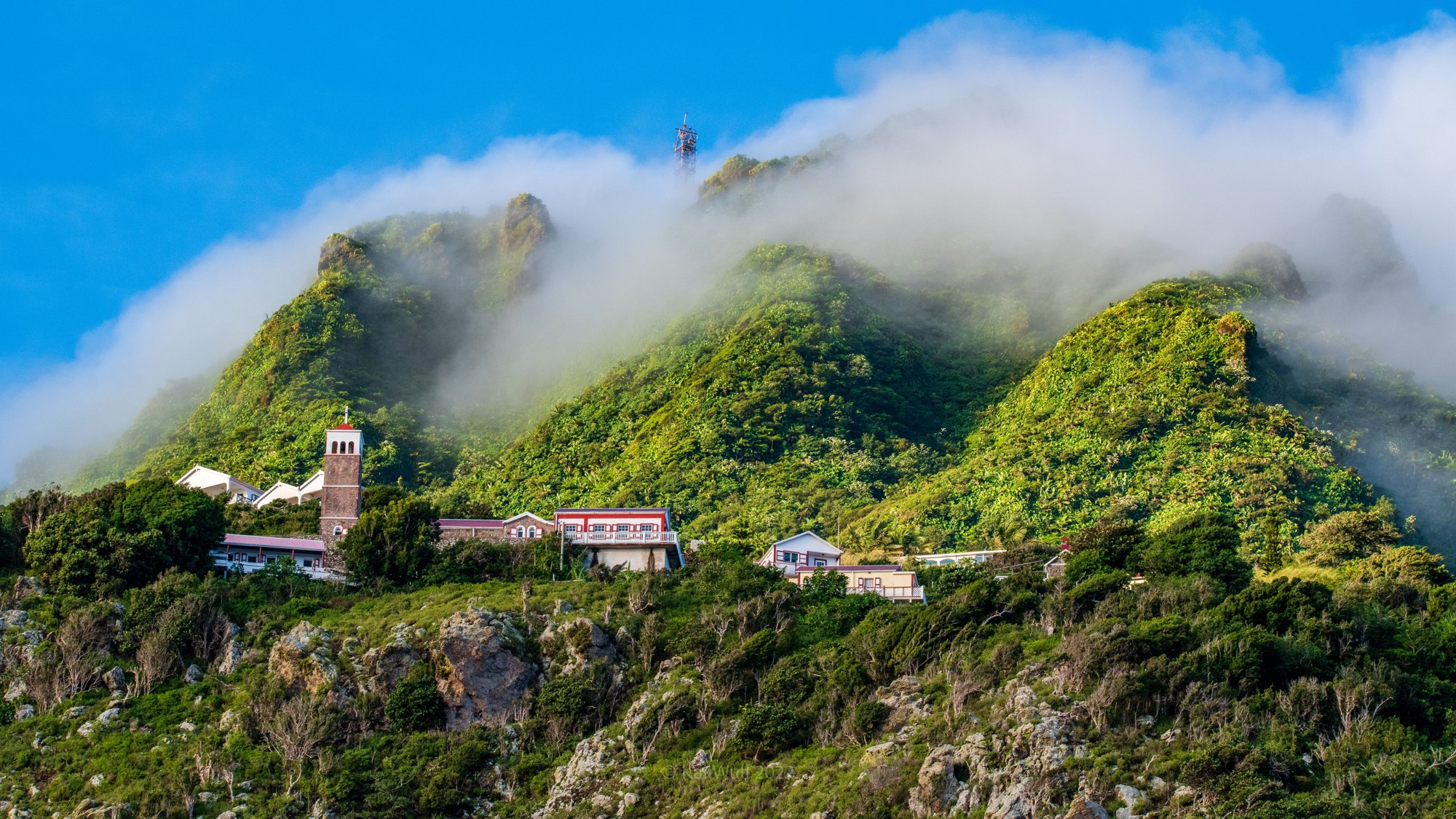
From the deep blue to the cloud forest
At the end of a dive day, the taxi brings you back up from the harbour.
Through the hairpin bends of The Road, the salt air gives way to cooler mountain breezes and white cottages with red roofs and green shutters. At the foot of Mount Scenery, in the village of Windwardside, on the site of the former Scout’s Place, stands Scenery Hotel Saba.
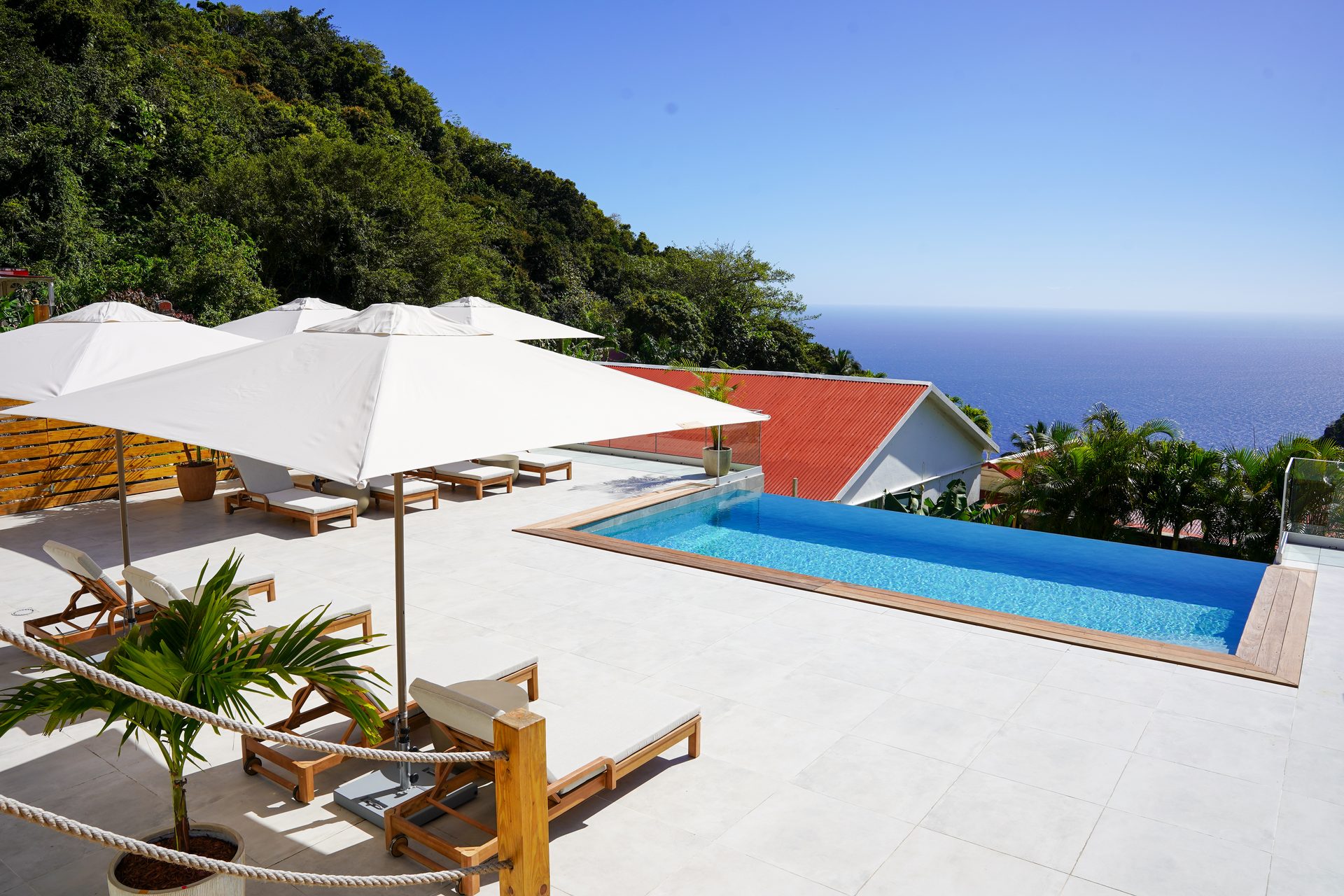
Opened in March 2026, our 30-room luxury boutique hotel is an intimate base between island adventures. Every room looks out to the Caribbean Sea, with the mountain rising behind, and every room has its own balcony, terrace or patio for watching the afternoon light change over the water.
Back from the boat, slip into the outdoor pool or order a drink at the Lounge Bar. On a day without diving, settle in for a long lunch at Pardon My French, the hotel’s French restaurant, open daily for breakfast and lunch, with dinner by arrangement. When you are ready to explore on land, Windwardside’s shops, its museum and the Mount Scenery trail are only steps from the door.
Whether you are travelling alone, as a couple or with your dive club, our team can help with your arrival arrangements on Saba and connect you with Sea Saba for your diving.
Come for the diving. Stay for the Scenery.
Some places can be seen in an afternoon. Saba is not one of them. Between the volcanic pinnacles below the waterline, the elfin forest in the clouds and the quiet luxury of an afternoon with nowhere else to be, five square miles have a way of feeling endless.
Planning a dive holiday in Saba?
Explore our ocean-view rooms, or contact our team to start planning your stay and your dives.