Photo above: Kai Wulf
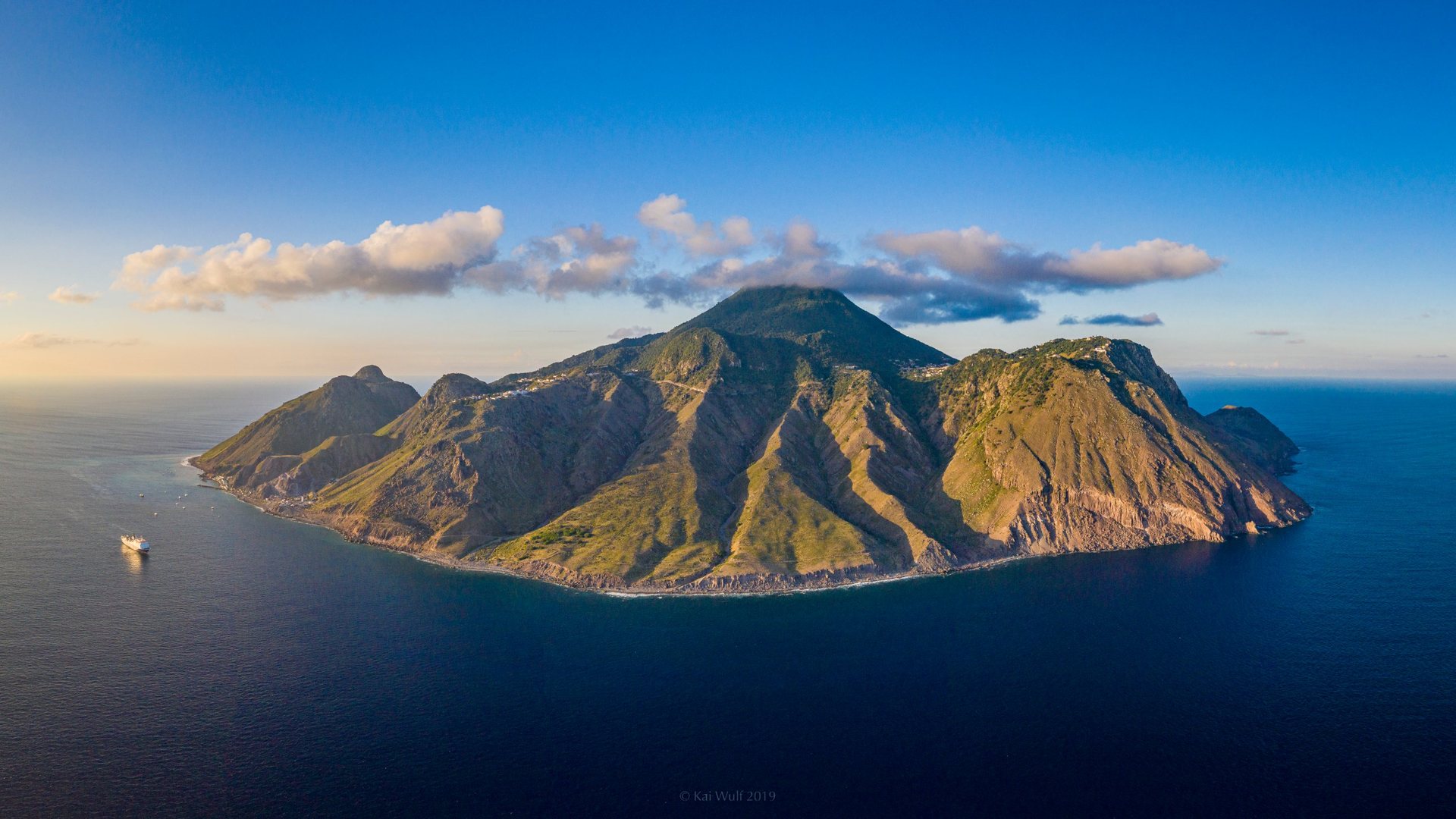
From the window of the little plane, Saba does not look like the Caribbean you were promised. There is no ribbon of white sand. A single volcano rises almost straight out of the sea, green to its summit, its peak lost in cloud, with white houses scattered across its slopes.
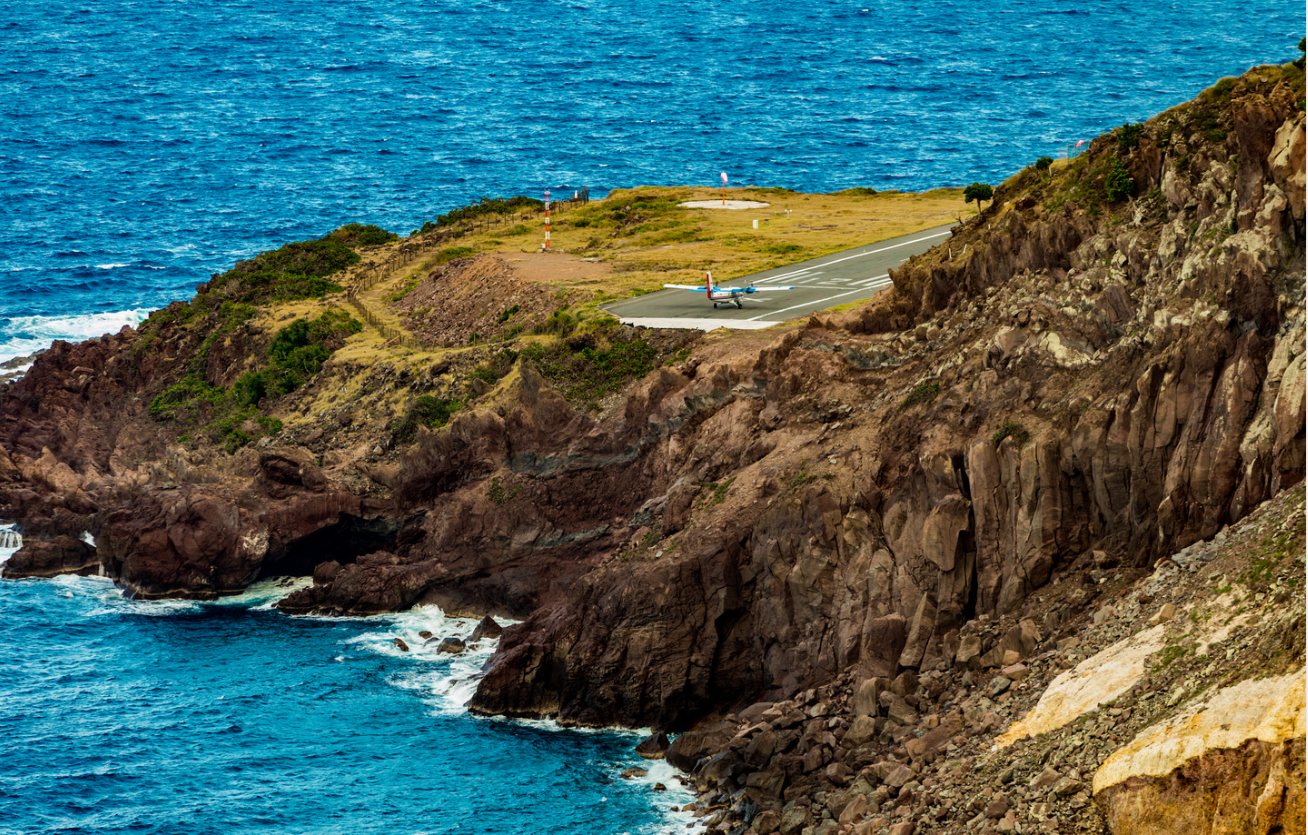
Then the plane banks, and you see where you are going to land: about 400 metres of runway on a ledge of rock, with the sea at both ends.
Most people remember that landing for the rest of their lives. On Saba, it is only the introduction.
The road they said could not be built
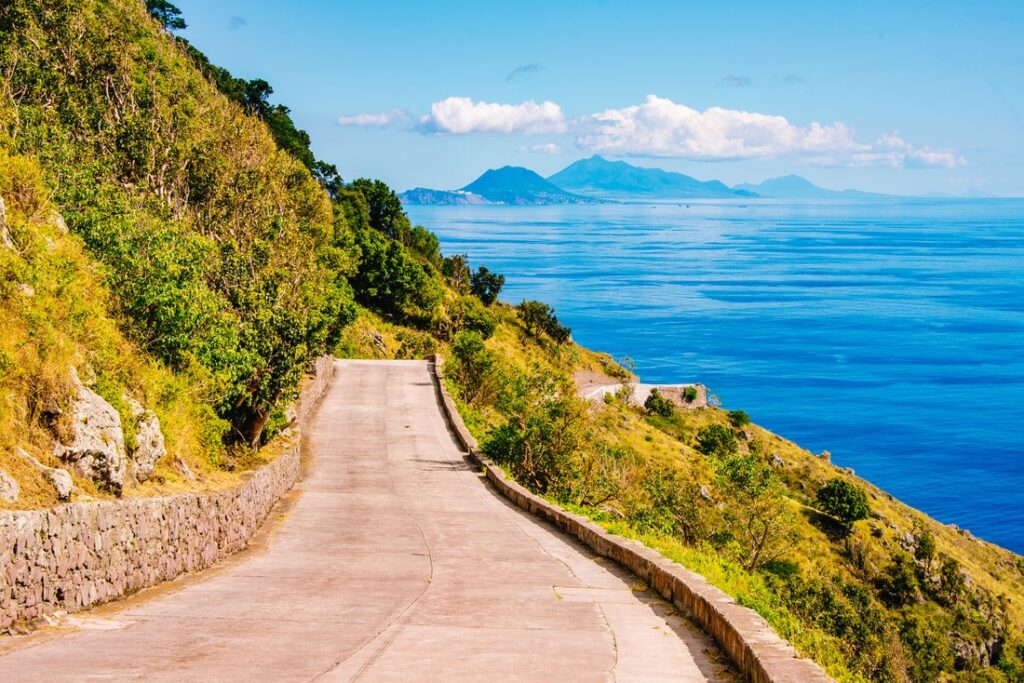
On most islands, the road goes around. Saba has essentially one, and experts once said it could not be built at all. Josephus Lambert Hassell, a Saban who taught himself engineering, believed otherwise. From 1938, islanders built it by hand, without machines, over more than two decades.
It climbs from the sea in hairpin bends, up through Windwardside, where the houses are still white with green shutters and red roofs, and over the shoulder of the mountain to The Bottom.
Five square miles. Just over 2,200 people. Drivers still lift a hand to the cars they pass. Give it a day, and you will find yourself doing the same.
Go up: into the cloud forest
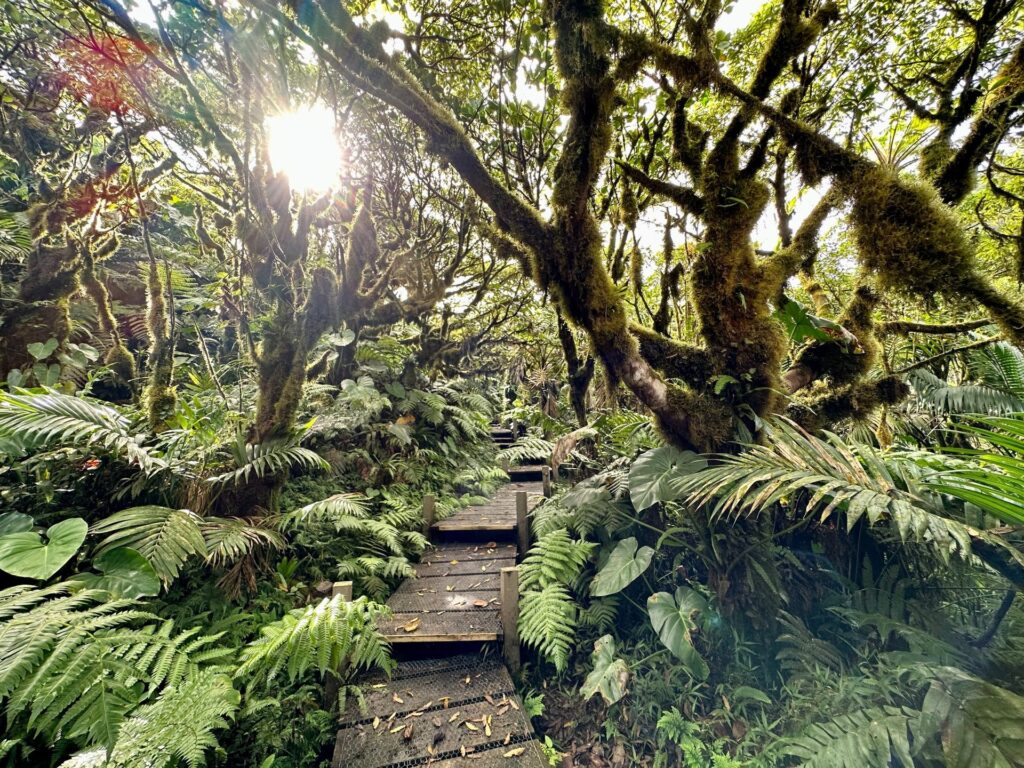
The Mount Scenery trail begins in Windwardside, steps from Scenery Hotel. More than a thousand stone steps climb through tree ferns and wild orchids, the air cooling as you go, until near the summit the forest turns to elfin woodland: low, twisted and hung with moss.
At 887 metres, this is the highest point in the Kingdom of the Netherlands. Some mornings the summit stays wrapped in cloud. On others it opens, and the Caribbean is suddenly spread out beneath you, neighbouring islands on the horizon.
Then go down: the Saba Marine Park
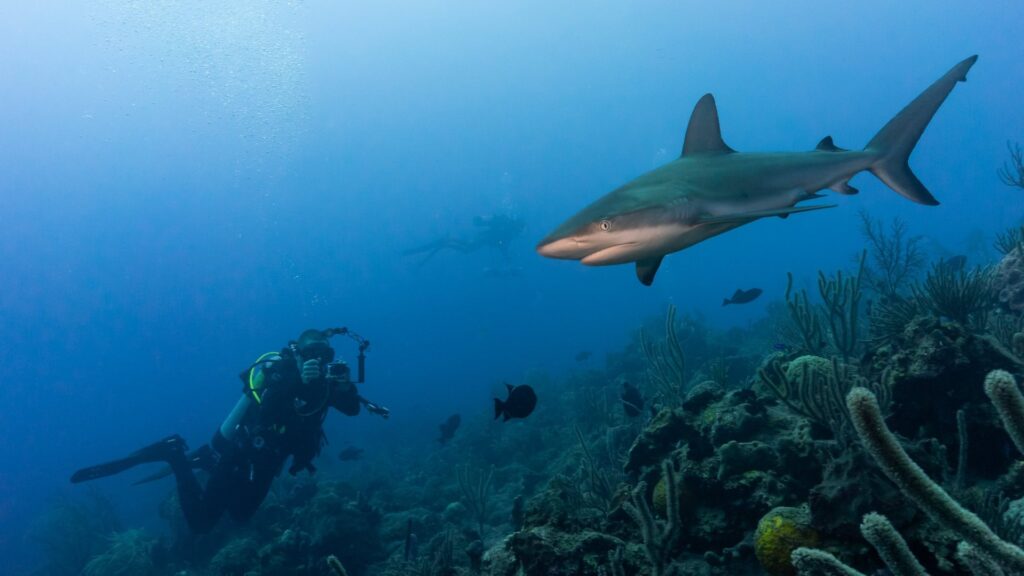
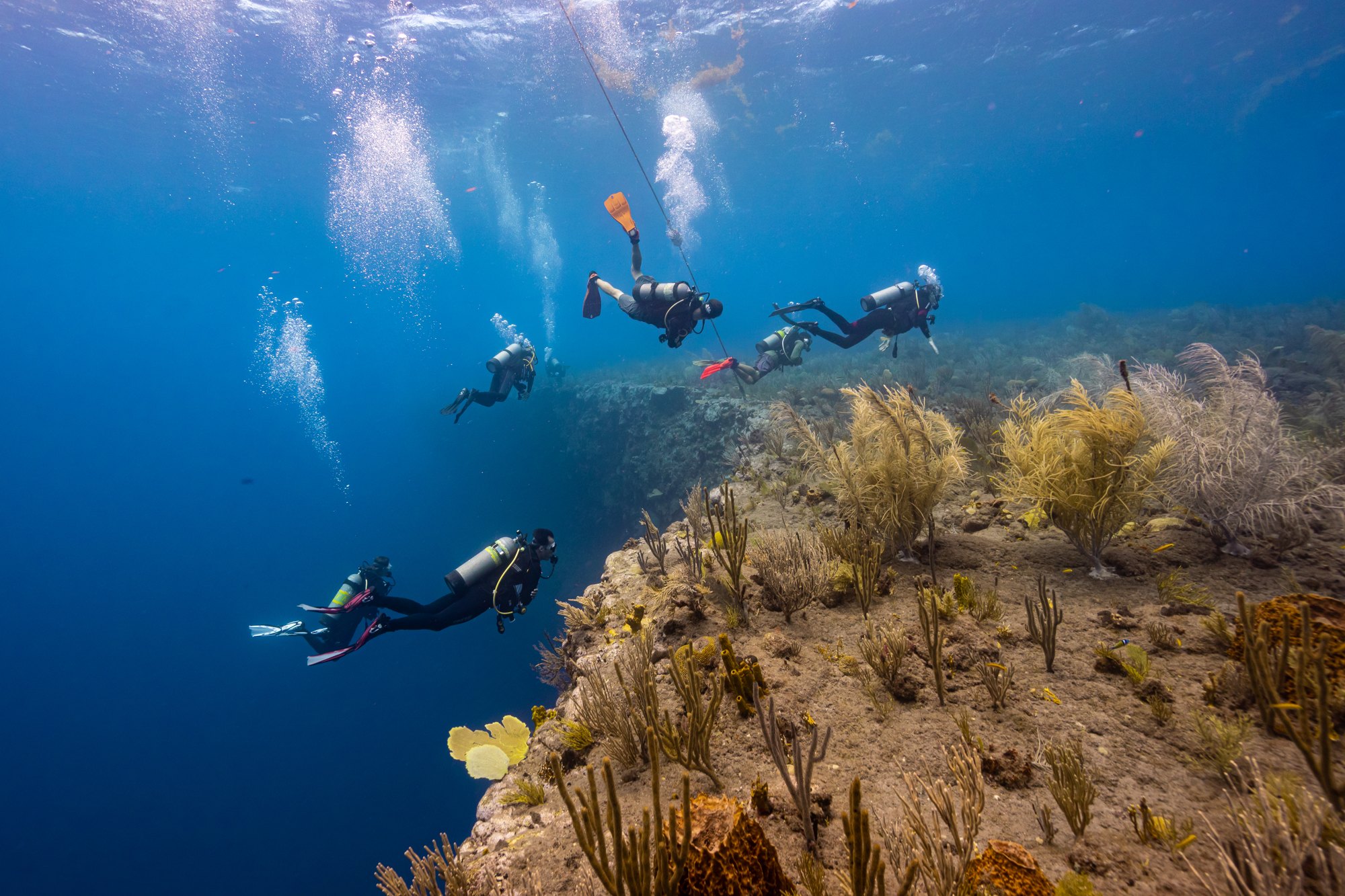
The island does not stop at the waterline. It keeps falling, steeply, into the protected Saba Marine Park, where volcanic pinnacles rise from deep blue water and turtles, reef sharks and schools of fish move along the walls. At a site called Hot Springs, the sand is still warm from the volcano beneath it.
Scenery works with Sea Saba, one of the island’s established dive operators, and reception can help you arrange your dives. Not a diver? On calm days, Cove Bay and Wells Bay are good for snorkelling; ask which suits the sea that day.
And then do absolutely nothing
This might be the part nobody tells you about.
After the landing, the mountain and the reef, there is a quieter Saba. A long breakfast with the sea below you. A walk into Windwardside for nothing in particular. An afternoon in the pool while cloud slides off the peak. A conversation with someone who has lived here all their life and is in no hurry to end it. The light turning gold over the water.
And then the strange luxury of realising there is nowhere else you need to be.
Stay right in the middle of it
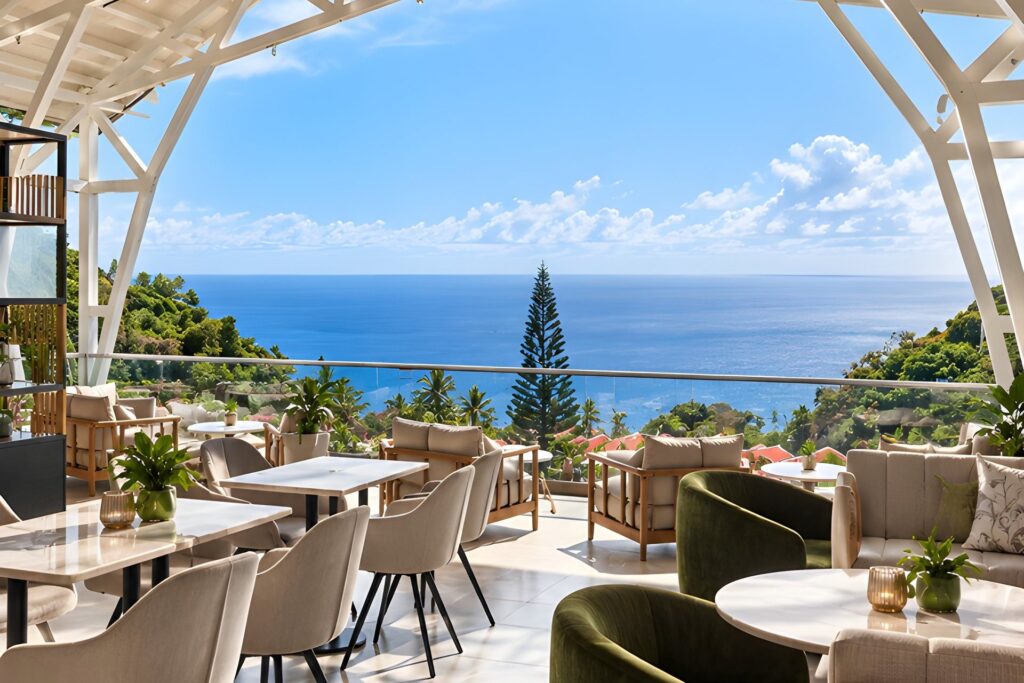
Scenery Hotel Saba stands at the foot of Mount Scenery in Windwardside, on the site of Scout’s Place, one of the island’s first hotels. Rebuilt as a boutique hotel, it keeps what mattered then: you are in the village, not walled off from it.
Every room looks out towards the Caribbean Sea, with Mount Scenery rising behind. Step onto your own terrace, balcony or patio and take in the view. Inside, king-size beds and premium linens offer a welcome retreat after a day exploring the island.
The pool invites you to linger a little longer, with the mountain on one side and the ocean on the other. And when it’s time to eat, Pardon My French brings French dining to Scenery, from a leisurely breakfast to lunch overlooking the island. Later, there’s the pleasure of a drink at the bar as the day draws to a close.
Come for the view from Scout’s Sky Room, or spread out in the one-bedroom Scenery Suite.
Closer than you think
Saba is a 15-minute flight from St. Maarten, or about 90 minutes by ferry. The planes are small, so pack light. Everything you need to plan the journey is on our travel page.
Come for Saba. Stay for the Scenery.